

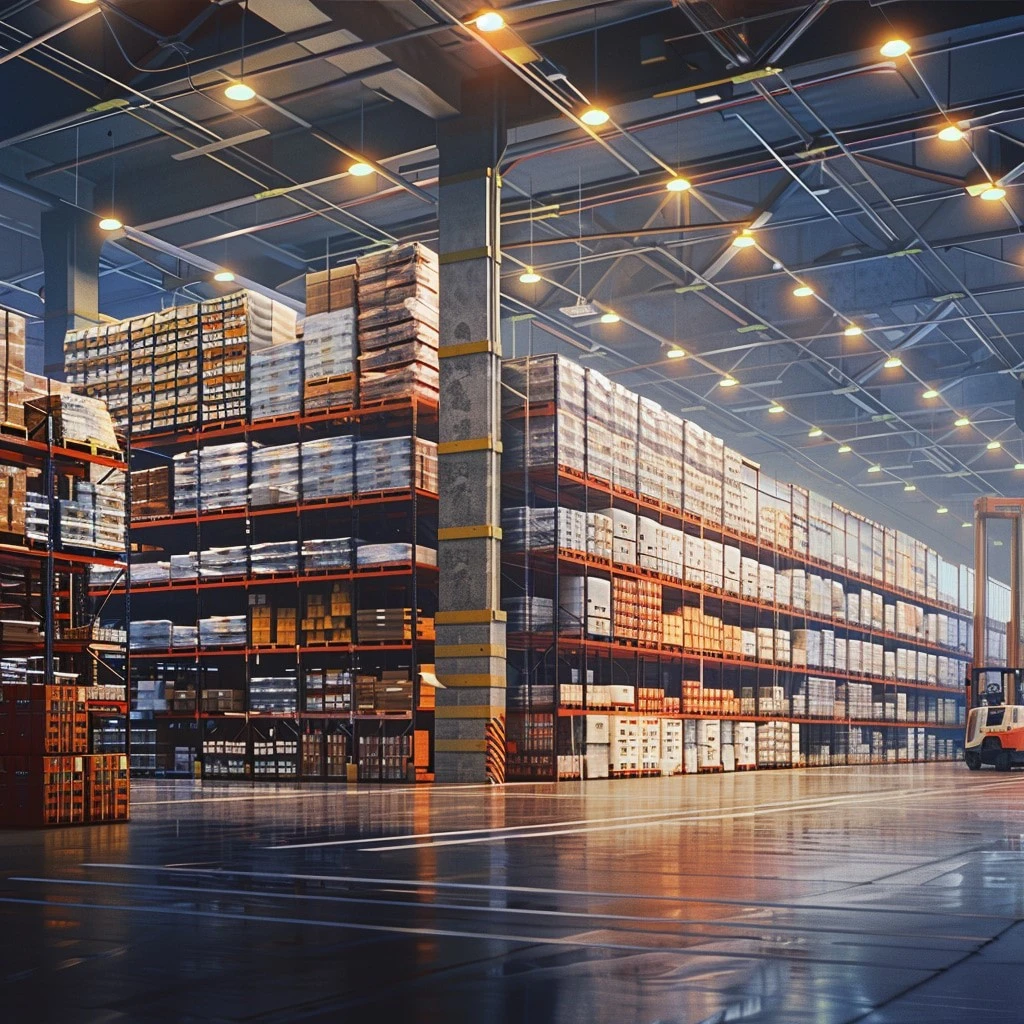
Factory Cargo Consolidation streamlines inbound logistics by gathering freight from multiple disparate Chinese suppliers into a single designated staging hub prior to international export. This eliminates fragmented LCL shipping costs, minimizes port demurrage, and standardizes export documentation.
Strategic Hub Locations & Industrial Clusters:
Southern China Hub: Shenzhen / Pearl River Delta cluster (specialized in electronics, light manufacturing, and consumer goods).
Eastern China Hub: Ningbo & Shanghai / Yangtze River Delta cluster (specialized in machinery, hardware, and textiles).
Northern China Hub: Qingdao / Bohai Rim cluster (specialized in heavy industrial components and chemical products).
Staging Capacity: 15,000 square meters secure, climate-controlled warehousing per regional hub.
Throughput Volume: Handles up to 800 TEUs monthly with digital RFID inventory tracking.
Service Scope
Supplier Coordination: Direct liaison with factory production schedules to align ex-works (EXW) or Free Carrier (FCA) pickup dates across multi-province manufacturing sites.
Warehousing & Tallying: Temporary secure holding, piece-level barcode scanning, and visual quantity verification upon arrival.
Pre-Export Verification: On-site dimensional measuring, gross weight verification (SOLAS-compliant VGM certification), and palletization reinforcing.
Shipping Options
Full Container Load (FCL): 20ft, 40ft, and 40ft High Cube containers optimized for maximum cubic capacity utilization.
Less than Container Load (LCL): Secure palletized consolidation for sub-container volume buyers, preventing mixed-cargo crushing.
Intermodal Handover: Direct rail-sea integration (e.g., Yiwu-Europe block train connections) and direct port drayage to vessel terminals.
Cargo Requirements
Pallet Standards: ISPM 15 heat-treated wood pallets or heavy-duty plastic pallets (dimensions: 1200x1000mm or Euro-pallets 1200x800mm).
Packaging Compliance: Export-grade 5-layer corrugated master cartons with edge protectors and moisture barrier linings for ocean transit.
Weight Distribution: Maximum single pallet weight capped at 1,200 kg; floor load limits strictly enforced for heavy industrial parts.
Process
Schedule Alignment: Booking submission and supplier delivery window confirmation across regional manufacturing clusters.
Inbound Receipt: Factory truck unloading, tally counting, and initial visual defect logging at our regional hub warehouse.
Quality & Quantity Audit: Random AQL 2.5 inspections (or 100% full checks per buyer specification) combined with dimensional checks.
Staging & Stowage Plan: 3D container loading simulation to ensure heavy goods are bottom-stowed and incompatible materials are segregated.
Container Stuffing & Sealing: High-definition video recording during loading; bolt-sealing with ISO/PAS 17127 compliant security seals.
Export Release: Customs clearance filing and Bill of Lading (B/L) issuance.
Transit Time & Cost Factors
Consolidation Holding Window: Standard free accumulation window is 14 days from the arrival of the first supplier batch.
Cost Variables: Total CBM volume, number of distinct supplier pickup addresses within a 300km radius of our regional hubs, palletization labor fees, and seasonal ocean freight index fluctuations.
Volume Efficiency: Consolidating 3+ suppliers into a single 40HC container reduces per-unit freight overhead by an average of 22% compared to independent LCL shipments.
Customs & Documentation
Required Files: Commercial Invoice, Packing List, Certificate of Origin (Form E, CO, etc.), and specific product compliance certificates (CE, FDA, RoHS) sourced directly from manufacturing partners.
Manifest Accuracy: Master Bill of Lading matching House Bill of Lading data to eliminate customs red-flag audits at destination ports in the EU and US.
ISF / AMS Filing: Automated data transmission executed 48 hours prior to vessel departure to comply with US CBP and EU ICS2 customs regulations.
Manufacturing & Quality Control Integration
In-House Metrology Equipment: Coordinate Measuring Machines (CMM) and digital optical comparators stationed at regional consolidation hubs for spot-checking incoming industrial parts.
Testing Standards: Drop-test apparatus (ASTM D5276 compliant) and salt-spray corrosion chambers available on-site to verify packaging durability and metal coating integrity prior to export.
Traceability: Every consolidated master carton receives a unique serialized barcode linked directly to individual factory batch numbers and material test reports (MTRs).
FAQ
Q: What happens if one supplier is delayed?
A: We hold the early cargo in our secure, insured regional warehouse up to 14 days without storage fees while tracking the delayed supplier's revised production milestone.
Q: How do you prevent cargo damage during mixed loading?
A: We apply strict stowage rules: heavy rigid machinery is floor-loaded and secured with heavy-duty lashing straps; fragile items or electronics are top-stowed with honeycomb board partitions.
Q: Can you consolidate goods from factories in different provinces?
A: Yes. We operate dedicated hub warehouses in Southern China (Shenzhen), Eastern China (Ningbo/Shanghai), and Northern China (Qingdao) to aggregate multi-province freight cost-effectively via domestic trucking fleets.
Request a Quote
Provide your current shipping parameters to receive a consolidated logistics and warehousing quotation within 24 hours:
Estimated CBM / Weight:
Number of Suppliers & Hub Locations (Select: Shenzhen / Ningbo / Qingdao):
Destination Port (EU/US):
Target Loading Date: