

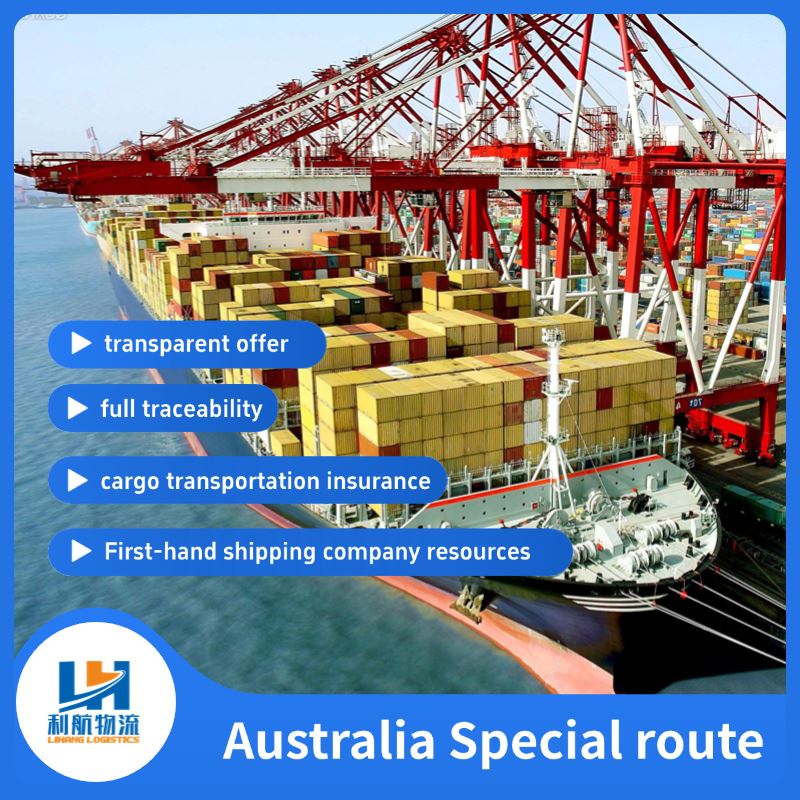
LCL (Less than Container Load) Cargo Consolidation in China aggregates multi-supplier shipments into a single container prior to international transit. This service is engineered for importers sourcing small-to-medium batches from various factories across China, eliminating the high freight cost of multiple independent shipments. Operations are managed through standardized Container Freight Station (CFS) networks located in primary manufacturing hubs.
Service Scope
Multi-Supplier Coordination: Direct pickup and consolidation from factories in Guangdong, Zhejiang, Jiangsu, and Shandong.
Warehouse Operations: Inventory tallying, visual condition inspection, barcode scanning, re-packing, and palletization at regional CFS hubs.
Customs & Export Handling: Separate or master Bill of Lading (B/L) issuance, Chinese export customs clearance, and compliance filing.
Destination Delivery: Port-to-port or door-to-door delivery via partner trucking networks in North America and Europe.
Shipping Options
Direct LCL: Fixed weekly sailings from major Chinese ports (Shanghai, Ningbo, Shenzhen, Qingdao) to major global destination ports without intermediate transshipment.
LCL-to-FCL (Buyer's Consolidation): Accumulating cargo from different vendors until a full 20ft or 40ft container is loaded exclusively for a single consignee, minimizing handling touchpoints.
Express LCL (Air/Sea Hybrid): Combined logistics routes utilizing regional feeder vessels or expedited transit channels for urgent replenishment cycles.
Cargo Requirements
Volume Threshold: Minimum chargeable volume is 1 CBM (Cubic Meter). Shipments below 0.5 CBM are recommended for courier service.
Weight-to-Volume Ratio: Standard maritime ratio is 1:1000 (1 CBM = 1,000 kg). Shipments exceeding this density are rated by weight (W/M rules apply).
Packaging Standards:
Cartons must be export-grade 5-ply corrugated cardboard.
Wooden crates and pallets must comply with ISPM 15 phytosanitary standards (heat-treated/fumigated with visible stamps).
Prohibited Items: Hazardous materials (Hazmat), lithium batteries without UN38.3 documentation, counterfeits, and unregistered pressure vessels.
Process
Booking & Vendor Alignment: Submit shipping orders; our operations team contacts designated Chinese suppliers to coordinate factory release dates.
Inbound & Tallying: Cargo arrives at the designated Chinese CFS warehouse; physical count, dimension check, and exterior condition logs are recorded.
Consolidation & Loading: Cargo layout is engineered to segregate heavy goods from fragile items; professional lashing, blocking, and bracing are executed inside the container.
Export Clearance: Electronic export customs declarations are submitted to China Customs alongside commercial invoices and packing lists.
Ocean Transit & Destination Unpacking: Vessel departure, ocean transit, and de-consolidation at the destination CFS warehouse for final distribution.
Transit Time & Cost Factors
Transit Schedules: Port-to-port maritime transit averages 14–22 days for US West Coast, 28–35 days for US East Coast, and 28–38 days for North European ports. Total door-to-door time requires adding 5–7 days for origin consolidation and 4–7 days for destination customs and trucking.
Cost Variables:
Ocean freight base rates (subject to monthly PEMA/GRI market fluctuations).
Origin CFS handling fees (IN/OUT charges, palletizing labor, wrapping materials).
Destination local charges (CFS station fees, terminal handling fees, deconsolidation fees).
Customs & Documentation
Required Baseline Documents:
Commercial Invoice & Packing List (matching exact PO lines).
Bill of Lading (Master B/L or House B/L issued by NVOCC).
Certificate of Origin (Form E, CO, or FTA equivalents where applicable for duty reduction).
Importer Security Filing (ISF) data submissions for US-bound shipments (must be filed 24 hours prior to vessel loading).
Quality Control & Warehouse Operations
Pre-Consolidation Inspection: Standard warehouse intake includes visual checks for wetness, crushed corners, and quantity verification against supplier packing slips. Digital photo reports are provided per batch.
Loading Supervision: On-site supervisors enforce weight distribution rules to prevent container wall bulging or shifting during rough sea conditions. Cargo segregation is enforced to isolate chemical or liquid goods from dry textiles or electronics.
FAQ
Q: How are volumetric weight and actual weight calculated in LCL?
A: Freight is billed based on Revenue Tons (R/T). The carrier compares total gross weight (in metric tons) against total volume (in cubic meters). Whichever figure is higher determines the chargeable volume/weight.
Q: What happens if one of my suppliers delays their delivery to the consolidation warehouse?
A: The warehouse coordinator will notify you immediately. You can choose to hold the container slot (incurring demurrage/storage risks at the CFS) or split the shipment into the next available weekly sailing.
Q: Can you handle multi-currency payments to different Chinese suppliers?
A: Our primary service scope is logistics and consolidation. However, integrated supply chain partners can support bonded warehouse storage and tiered vendor settlement coordination upon request.
Request a Quote
To receive an accurate LCL consolidation quotation, provide the following parameters to our logistics engineering team:
Total volume (CBM) and gross weight (kg)
Commodity description and UN numbers (if batteries or chemicals)
Supplier city locations / factory zip codes in China
Final destination postal code or port of discharge
Incoterms (EXW, FOB, or FCA terms)